
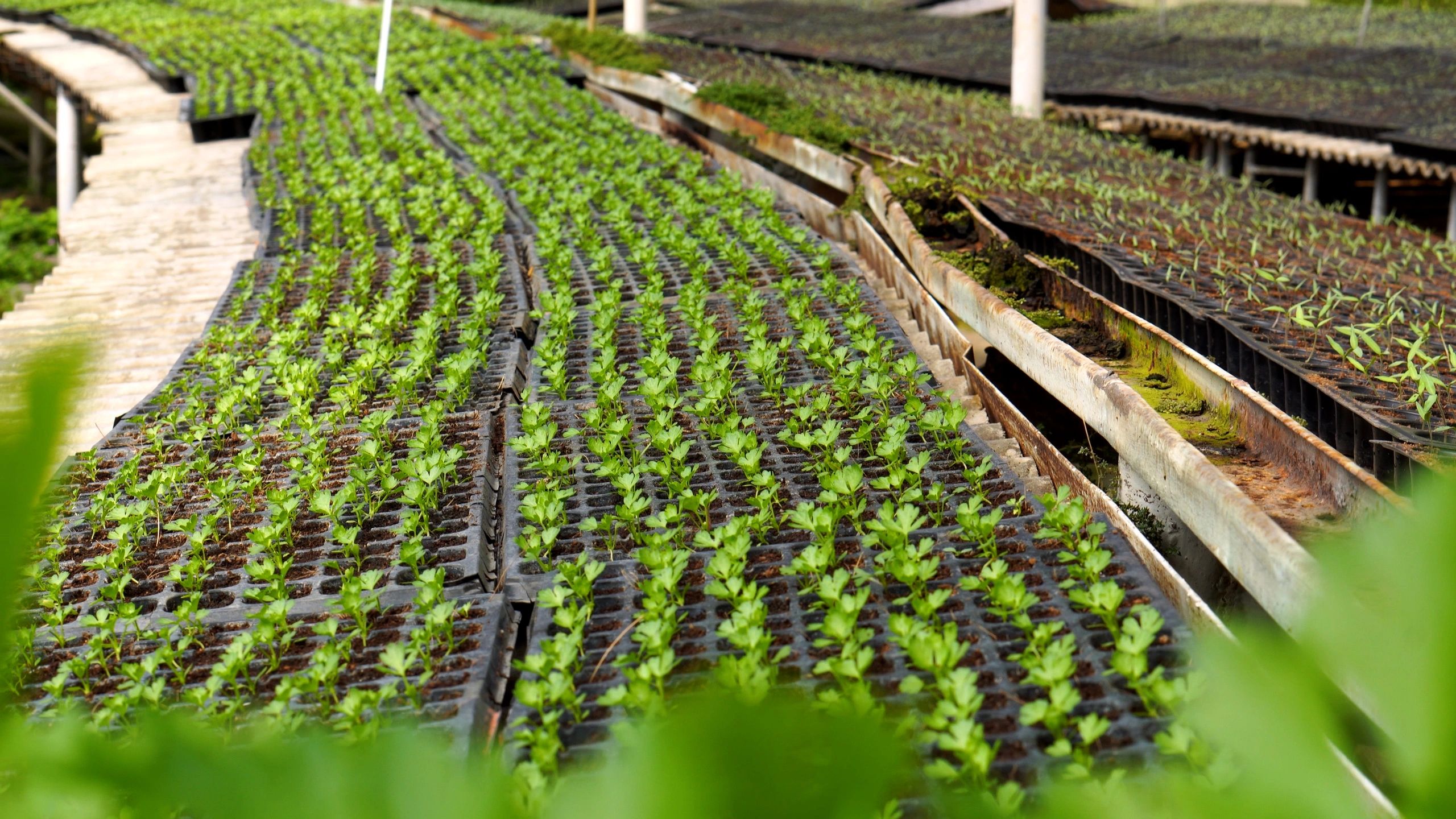
Native Plants
Pollinator-Friendly Plants for Dayton Gardens
Browse native plants selected for local landscapes, seasonal color, and healthy habitat. Each variety is chosen to support bees, butterflies, and easier backyard gardening.
Plant Selection
Featured Native Plants
Contact (937)554-7519 to set up and schedule local pick up.
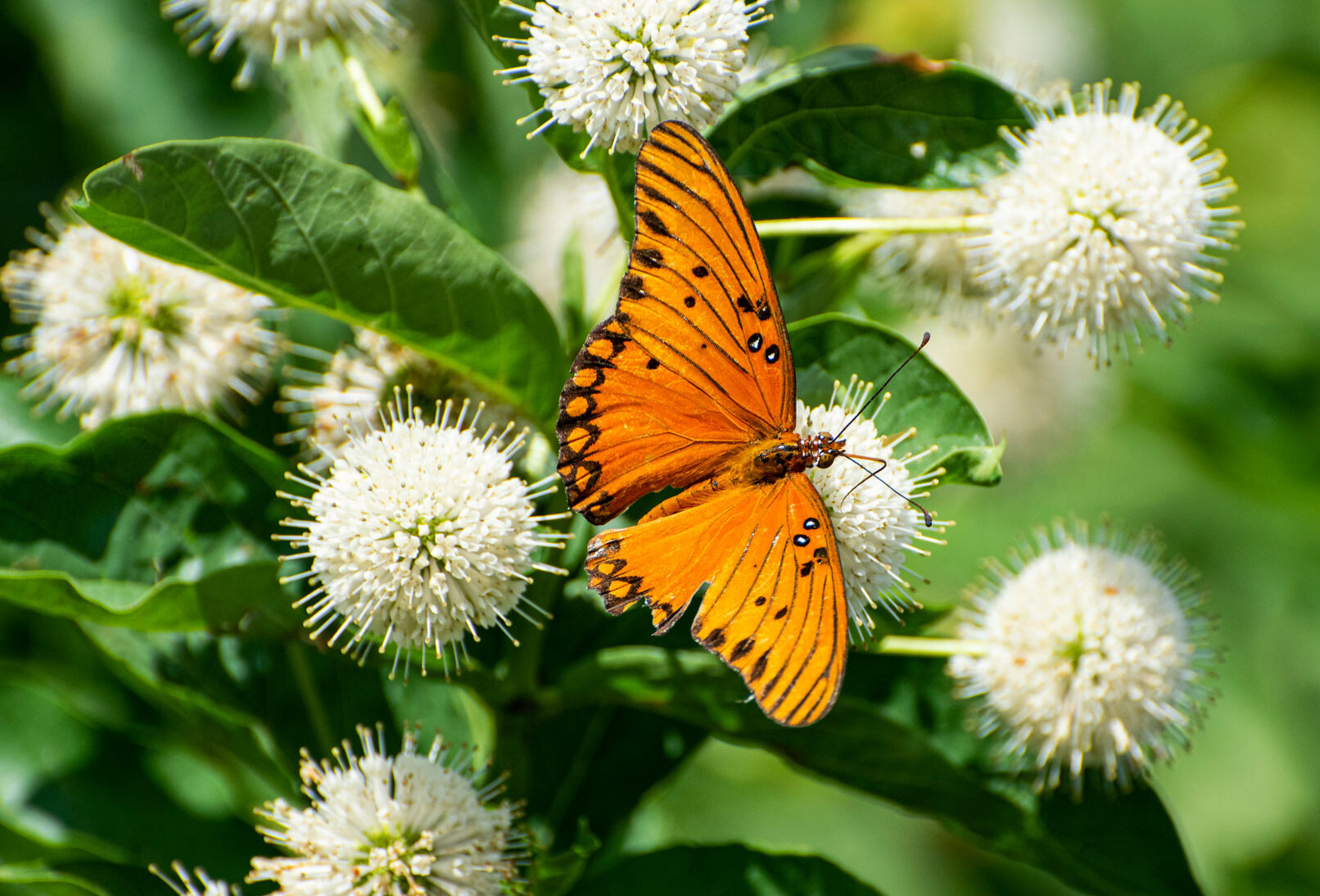
Button Bush
A moisture-loving native shrub with unique globe-shaped blooms that attracts bees, butterflies, and other pollinators through summer.
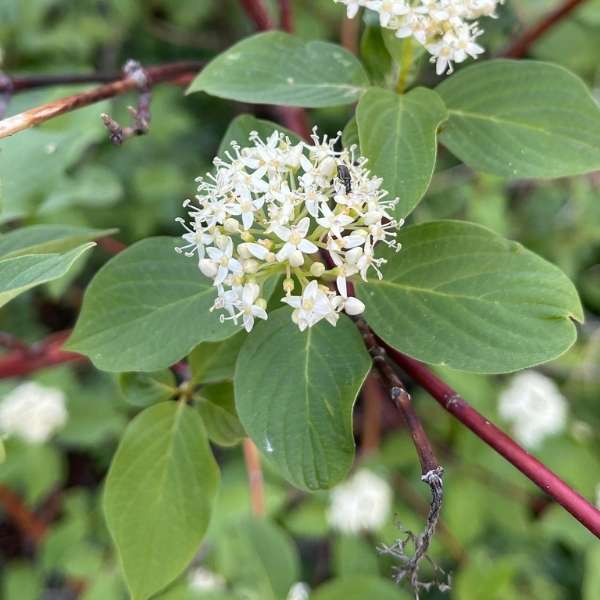
Red Osier Dogwood
A hardy native shrub known for bright red winter stems, white spring flowers, and strong habitat value for birds and pollinators.
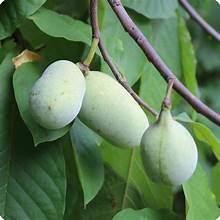
Paw Paw Tree
A small native understory tree prized for its tropical-looking leaves, maroon spring flowers, and custard-like fruit that supports wildlife and adventurous home gardeners.
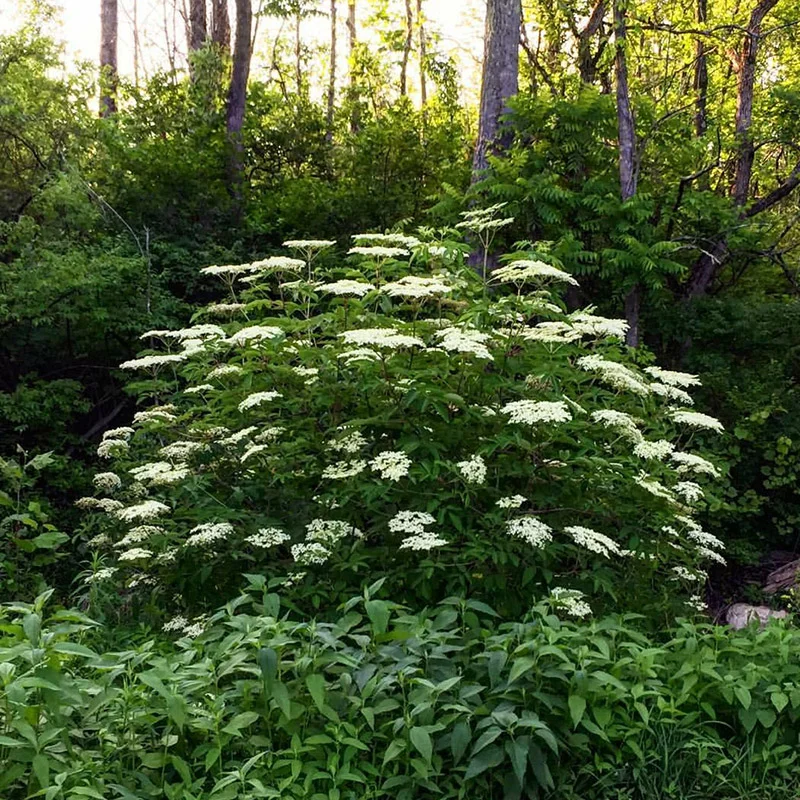
Elderberry
A fast-growing native shrub with creamy white flower clusters and dark berries that support pollinators, songbirds, and edible landscape plantings.
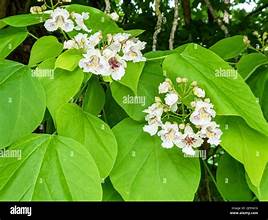
Catalpa Tree
A bold native tree with large heart-shaped leaves, showy white flowers, and long seed pods that add shade, seasonal interest, and habitat value to larger landscapes.
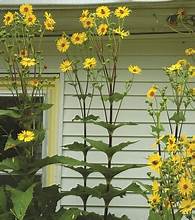
Cup Plant
A tall native prairie perennial with bright yellow daisy-like flowers and distinctive leaf cups that hold rainwater, making it a standout for pollinators and naturalized garden spaces.
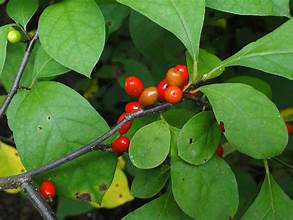
Spicebush
A fragrant native woodland shrub with soft yellow spring blooms, bright red berries on female plants, and strong value for pollinators, birds, and shaded garden spaces.
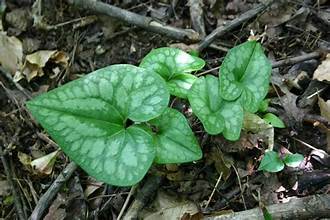
Wild Ginger (Canadian Ginger)
A low-growing native woodland groundcover with soft heart-shaped leaves and hidden spring flowers, ideal for shaded gardens, rich soils, and naturalized planting areas.
Plant Care
Simple Care Tips
Native plants are easier to grow when matched to the right spot. Use these basics to help new plants settle in and thrive.
Match Light
Choose plants based on full sun, part sun, or shade so they can establish well and bloom naturally.
Water to Establish
Water regularly after planting, especially during the first few weeks, then reduce as roots become established.
Use Good Spacing
Give each plant room for mature growth to improve airflow, reduce crowding, and create a healthier planting.
Leave Seasonal Growth
Seed heads and stems can provide winter interest and habitat, while also supporting pollinators through the seasons.